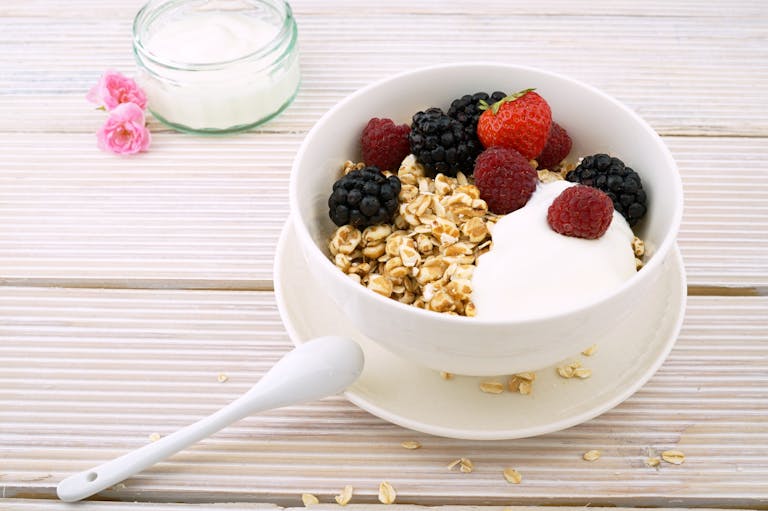
When it comes to heart health, small choices add up fast. The foods you eat every day play a huge role in managing cholesterol, blood pressure, inflammation, and overall cardiovascular health. The good news? A heart-healthy diet doesn’t mean bland meals or strict restrictions. It’s about adding more of the right foods -many of which are delicious, affordable, and easy to find.
Here are some of the best heart-healthy foods to start adding to your diet, and why they deserve a spot on your plate. Be sure to check out these quick and healthy breakfast ideas that incorporate many of these foods.
Fatty Fish
Fatty fish are rich in omega-3 fatty acids, which help reduce inflammation, lower triglycerides, and decrease the risk of heart disease. Regular consumption has also been linked to improved cholesterol levels and heart rhythm.
How to add more:
Aim for two servings per week. Grill salmon with herbs, toss canned sardines into salads, or add smoked trout to whole-grain toast.
Leafy Green Vegetables
Examples: Spinach, kale, Swiss chard, arugula
Leafy greens are packed with vitamins, minerals, and antioxidants. They’re especially high in vitamin K and nitrates, which support blood vessel health and help regulate blood pressure.
How to add more:
Blend spinach into smoothies, sauté greens with garlic and olive oil, or use them as a base for salads instead of iceberg lettuce.
Whole Grains
Examples: Oats, brown rice, quinoa, whole-wheat bread
Whole grains contain fiber that helps lower LDL (“bad”) cholesterol and supports healthy digestion. They also help stabilize blood sugar, which is important for long-term heart health.
How to add more:
Swap white bread for whole-grain, start your morning with oatmeal, or use quinoa as a base for grain bowls.
Berries
Examples: Blueberries, strawberries, raspberries, blackberries
Berries are loaded with antioxidants, particularly flavonoids, which help reduce inflammation and lower the risk of heart disease. They’re also naturally low in calories and high in fiber.
How to add more:
Top yogurt or oatmeal with berries, blend them into smoothies, or enjoy them as a naturally sweet snack.
Nuts and Seeds
Examples: Almonds, walnuts, pistachios, chia seeds, flaxseeds
Nuts and seeds provide healthy fats, fiber, and plant-based protein. Walnuts and flaxseeds are especially high in omega-3s, which support heart health.
How to add more:
Snack on a small handful of nuts, sprinkle seeds over salads or oatmeal, or blend nut butter into smoothies.
Tip: Portion control matters—nuts are healthy, but calorie-dense.
Olive Oil
Extra virgin olive oil is a staple of the Mediterranean diet, which is strongly associated with reduced heart disease risk. It contains monounsaturated fats and antioxidants that help protect blood vessels.
How to add more:
Use olive oil for salad dressings, drizzle it over roasted vegetables, or swap it in for butter when cooking.
Beans and Legumes
Examples: Lentils, chickpeas, black beans, kidney beans
Beans are rich in fiber, protein, and minerals like potassium and magnesium—all important for heart health. They help lower cholesterol and keep you feeling full longer.
How to add more:
Add beans to soups, salads, and tacos, or try lentil-based stews and curries.
Avocados
Avocados are high in heart-healthy monounsaturated fats and potassium, which helps regulate blood pressure. They can also help improve cholesterol levels when used in place of saturated fats.
How to add more:
Mash avocado on whole-grain toast, slice it into salads, or blend it into creamy dressings.
Low-Fat Dairy or Dairy Alternatives
Examples: Greek yogurt, low-fat milk, fortified plant milks
These foods provide calcium and protein without excess saturated fat. Some studies suggest fermented dairy like yogurt may be especially beneficial for heart health.
How to add more:
Use Greek yogurt in smoothies or as a sour cream substitute, and choose unsweetened plant milks when possible.
Dark Chocolate
Dark chocolate with at least 70% cocoa contains flavonoids that may improve blood flow and reduce inflammation.
How to add more:
Enjoy a small square after meals or melt it over berries for a heart-friendly dessert.
The Bottom Line
Heart-healthy eating isn’t about perfection, it’s about consistency. By gradually adding more whole, nutrient-dense foods to your meals, you support your heart without feeling deprived. Focus on balance, variety, and enjoyment, and your heart will thank you in the long run.
If you’re looking to make changes, start small. One swap at a time can make a meaningful difference.
Interested in learning more? Find healthy eating tips and recipes at the American Heart Association’s website.