Colorado winters can be tough on yards. With fluctuating temperatures, heavy snowfalls, dry air, and intense sun, winter lawn and landscape care looks very different than in other places. However, a little preparation and ongoing maintenance can help protect your yard and set it up for a healthy spring.
Here are a few tips to help you maintain your yard throughout the tough winter season.
Keep Your Lawn Clear of Debris
Before snowfall becomes regular, remove fallen leaves, branches, and other debris from your lawn. Organic material left behind can trap moisture and lead to mold, disease, or dead patches once the snow melts. In the fall, take advantage of yard waste drop off events to get rid of leaves and other yard waste. Douglas County offers fall leaf collection in Castle Rock.
If snow falls before you’ve finished cleanup, try to clear debris during warmer breaks in the weather.
Avoid Excessive Foot Traffic on Frozen Grass
Walking repeatedly across frozen or snow-covered grass can damage the blades and compact the soil. In Colorado, lawns often freeze solid overnight and thaw during the day, making them especially vulnerable. Create designated walkways and encourage family and guests to stick to cleared paths to protect your turf.
Water During Dry Spells
It may feel strange to water in winter, but Colorado’s dry climate means lawns, trees, and shrubs can suffer from dehydration even when it’s cold. Monitor weather conditions and water during extended dry periods without snow cover, about once or twice each month.
- Water on days when temperatures are above 40°F
- Apply water during midday, so it will have time to soak in before possible freezing
- Focus on trees, shrubs, and newer plantings because they are most susceptible to winter drought injury
Evergreens and young trees are especially prone to winter drought stress.
Protect Trees and Shrubs from Snow Damage
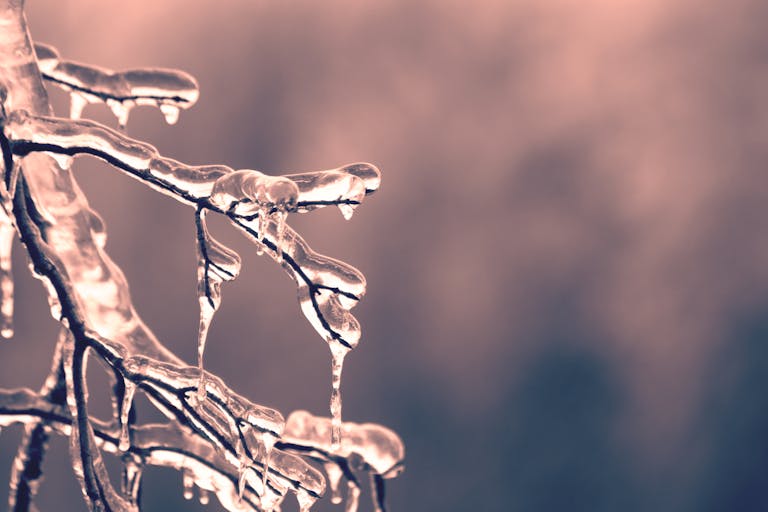
Heavy, wet snow can break branches and permanently damage trees and shrubs.
- Gently brush snow off branches using an upward motion
- Avoid shaking frozen branches, which can snap easily
- Consider wrapping vulnerable shrubs with burlap
For larger trees, professional pruning before winter can reduce the risk of damage.
Mulch to Insulate Roots
A 2–4 inch layer of mulch around trees, shrubs, and garden beds helps regulate soil temperature and retain moisture. Mulch acts as insulation, protecting roots from freeze-thaw cycles common in Colorado winters. Douglas County residents can take advantage of the Slash-Mulch and Green Yard Waste site in Castle Rock seasonally.
Be sure to keep mulch a few inches away from trunks and stems to prevent rot.
Mow and Fertilize Before Winter Hits
Your last mow of the season should leave grass slightly shorter than usual (about 2–2.5 inches). This helps prevent matting and snow mold.
Applying a winter fertilizer in late fall strengthens roots and stores nutrients that fuel spring growth—an important step for Colorado lawns.
Be Careful with Ice Melt Products
Ice melt is often necessary for safety, but many products can harm grass, plants, and soil.
- Use pet- and plant-safe ice melt when possible
- Apply sparingly
- Avoid piling salty snow onto lawns or garden beds
Calcium magnesium acetate and sand are gentler alternatives.
Plan Ahead for Spring
Winter is a great time to assess your yard and plan improvements. Take note of drainage issues, damaged areas, or spots that struggled during the year. Planning now allows you to act quickly once spring arrives.
Final Thoughts
Maintaining your yard during a Colorado winter doesn’t require constant work, but smart, timely care makes a big difference. Protecting your lawn, trees, and landscaping through the cold months ensures a greener, healthier yard when warmer weather returns.
Find more tips for maintaining your yard during the winter from CSU Extension.